Search Results
Search this site
208 results found with an empty search
- What Is The Impact Of Poor Job Fit On Employee Wellbeing?
"Please, would you one time Let me be myself So I can shine with my own light And let me be myself?" Let Me Be Myself by 3 Doors Down (click here for the music) Photo by Andrej Lišakov on Unsplash “I just don’t know what’s happened to my CTO, he has been in the role for a long time, and he seems to have lost his mojo. We have a good relationship, he is capable, aligned with the firms’ values, really passionate about what we are trying to achieve, but something isn’t quite right” Coaching client. The Minnesota Theory Of Work Adjustment, (MTWA), was one of the first models I studied in the early days of my master’s degree, as it is a way of conceptualising the fit between an individual and a job or organisation. According to the model, job fit and job satisfaction rely on the alignment between what the individual requires from the workplace and what the job and organisation provides. What can cause poor person job fit? There are a multitude of factors that impact on the fit between the person and job. Regular readers would know that job design and recruitment are the foundational elements of achieving person job fit. Job design check list: Is there a clear description of the role? Is it an accurate reflection of what actually occurs? Does it describe the skills and competencies required to fulfil the expectations to the right level of competence? Does it include key relationships? Is the scope of responsibility accurately communicated ? Have you identified of the psychological demands of the role? Did you acknowledge the culture of the organisation ? If you know the role will be fluid and require high levels of initiative and flexibility is that documented? Recruitment process check list: Did you source candidates widely? Was each step in the selection process aligned to the accurate job description? Did you have a comprehensive, objective assessment process, including references checking? Was there the appropriate balance between assessing technical skills and organisational/ industry knowledge and broader competencies? Were the interviewers trained and objective? Did you test assumptions throughout the process? “Sometimes that “next step” in your career, has been the wrong step.” Gottschalk, M. Regular readers would know that once you have an employee who is a good fit, many things may change at an individual, organisational and contextual level. Due to life circumstances or even the passage of time, employees may experience a shift in their needs, priorities and values thus impacting the job fit. In addition, major career changes, including re-skilling are not uncommon and would generally have an impact on person job fit. When there is a merger; acquisition; business growth or decline; or a change in strategic direction many roles will change. Taking the time to carefully reassess the: Scope; Complexity, Purpose and Psychological demands of all roles will help to ensure that the incumbents are a correct fit. Finally, don’t underestimate the impact of external factors like: changing Government regulations; Royal commissions; disrupters in the market; increased competition and other market forces on person job fit. What are the signs of poor fit? There are two main types of poor fit, those who do not fit the organisation and those who do not fit their current role. In both cases they will demonstrate some of the following: Tell you they feel under-utilised. Express frustration or seem bored. General decline in office morale Poor quality of work Tasks or projects in complete or inadequate preparation Wrong prioritisation Physical signs of stress Shirk responsibility Absenteeism Presenteeism Critical of management Highly cynical Unrealistic demands No discretionary effort No innovation Disconnected Depression or anxiety Burnout (click here for my blog on burnout) So what about my client? As the session drew to a close my client reflected, “I wonder about the CTO’s career aspirations. Whilst the business has grown in the time he has worked for us, perhaps he needs experience in other industries, larger firms, working with different people? I’m going to make time to chat with him about his values and goals and see where it heads. If he needs to ‘sow his wild oats elsewhere’ I want it to be on good terms. He really is a great fellow.” Final thoughts Many leaders are reluctant to lose good people, may feel responsible for organisational changes, and be sensitive to personal circumstances of others. Thus with the best intentions, leaders may avoid conversations when they notice that they are actually trying to fit a “round peg in a square hole”. Given the hours people spend at work and the psychological benefits of being in the right role, if you have your suspicions, take the time to sensitively check in with your employees and find out what is really going on. Regular readers would know that sympathetic conversations require empathy (click here for my blog on empathy) and the ability to listen with curiosity (click here for Celeste Headlee's ted talk. As I was writing this blog I kept humming the tune, “It's hip to be square” by Huey Lewis and The News, so for fun I have added it to the blog play list. (click here for the song) As always please be in touch if you or anyone in your network would benefit from coaching or if you want to just catch up . References: https://vpr.psych.umn.edu/theory-work-adjustment Ewin Hannan, Covid-19: Threat of exodus by burnt-out health workers. (2021). The Australian . [online] 10 Sep. Available at: https://www.theaustralian.com.au/nation/covid19-threat-of-exodus-by-burntout-health-workers/news-story/3258289ec0b79acf40857f66775f160a https://vpr.psych.umn.edu/sites/vpr.umn.edu/files/files/monograph_xxiii_-_a_theory_of_work_adjustment_a_revision.pdf Gottschalk, M. (2014). The Poor Fit: 6 Signs That Your Job is Absolutely the Wrong One . [online] Marla Gottschalk. Available at: https://marlagottschalk.com/2014/02/12/the-poor-fit-6-signs-that-your-job-is-absolutely-the-wrong-one/ https://marlagottschalk.com/2014/02/12/the-poor-fit-6-signs-that-your-job-is-absolutely-the-wrong-one/ Huang, W., Yuan, C. and Li, M. (2019). Person–Job Fit and Innovation Behavior: Roles of Job Involvement and Career Commitment. Frontiers in Psychology , 10. https://www.frontiersin.org/articles/10.3389/fpsyg.2019.01134/full Work demands and work-related stress: Tip Sheet 5 (2018). Work demands and work-related stress: Tip Sheet 5 . [online] SafeWork NSW. Available at: https://www.safework.nsw.gov.au/resource-library/mental-health/mental-health-strategy-research/stress-tip-sheets/work-demands-and-work-related-stress-tip-sheet-5. Alore (2015). 15 Signs When A Leader Knows An Employee Is A Bad Fit. [online] Medium. Available at: https://medium.com/productivity-revolution/15-signs-when-a-leader-knows-an-employee-is-a-bad-fit-76a079549a23 CSUSB ScholarWorks CSUSB ScholarWorks. (n.d.). [online] Available at: https://core.ac.uk/download/pdf/86412196.pdf.
- "R U OK"? How Do You Ask Today?
Annie, are you okay? So, Annie, are you okay? Are you okay, Annie? Annie, are you okay? So, Annie, are you okay? Are you okay, Annie? Annie, are you okay? So, Annie, are you okay? Are you okay, Annie? Annie, are you okay? So, Annie, are you okay? Are you okay, Annie? Smooth Criminal by Michael Jackson (click here for the music) Whilst we should not need an annual reminder to check up on each other, September 9th is R U OK day in Australia and therefore it is always beneficial to pause and think about your own mental health and that of those around you. You don’t need a degree in psychology to know that Covid 19 is having a significant impact on the mental health of many Australians. There has been a 6.5% increase in the Medicare referrals to clinical psychologists in Australia in the last 12 months. “People were probably suffering one way or another before Covid but now it‘s bubbling over and that’s leading to this huge demand,” Dr Seidler As portrayed in the video below, it’s the small changes in people's behaviour that indicate that you need to take the time to have an R U OK conversation. Click here for the 2021 R U OK video. If you stop and think about it, why on earth would anyone they tell you really how they are feeling: If you don’t often chat to your peers employees or colleagues about what is going on in their lives If there aren’t clear policies and procedures in your organisation around mental health. If you view mental health as always being negative. If people with mental illness are shifted into the shadows and not spoken of. If there are no examples of managing mental health in the workplace. If people don’t understand that one can flourish with mental illness and can languish without a diagnosed mental illness. If there are no proactive measures to create and maintain a psychologically safe and healthy workplace. If physical safety is compromised. If there is no culture of comprehensive wellbeing. Social distancing, remote working and lockdowns may require a more conscious approach to observing the behaviour of others but should never serve as an excuse for not noticing when someone is taking strain. What are your daily responsibilities ? Create work environments where people can flourish . Remove the stigma associated with mental illness. Encourage early intervention for the wellbeing of all. Talk to people you haven’t spoken to for a while and see how they are. Get to know people at work so that you actually notice a change in their behaviour. Notice a change in someone's behaviour and encourage them to get help. Follow up on someone you have already spoken to. What actually happens after you say R U OK? Common reactions to being asked R U OK? Silence Denial Anger Sadness Tears Request for direct help from you Sharing of their circumstances Request for a referral from you Important things to remember: Your role is to encourage professional help not to provide it. Remain empathic and non judgemental. People often don't realise their distress was so apparent and could be embarrassed or shocked that you noticed. You may never know if someone actually gets help. Don’t underestimate the positive impact of showing that you genuinely care. Check in personally, regularly, and gently. eg "I've been thinking of you and wanted to know how you've been going since we last chatted." Australian sources of help Mental health crisis team- 1800 011 511 (24 hours) Doctor Clinical psychologist 000 Finally, we can only look after the mental health of others if we look after our own mental health. If you know in your gut that you are not feeling yourself, don't hesitate or wait till you are really languishing, act now and make an appointment to see your GP. Please, email me and tell me "What are you going to do differently this R U OK Day?"
- Will Fostering A Culture Of Forgiveness Improve Workplace Wellbeing?
"It's sad, so sad It's a sad, sad situation And it's gettin' more and more absurd It's sad, so sad Why can't we talk it over? Ohh, it seems to me that sorry seems to be the hardest word ” Sorry Seems to Be the Hardest Word by Elton John (click here for the music) Thank you Eric Barker for sharing this fabulous quote on your Instagram page https://www.instagram.com/bakadesuyo/ Many of my Australian clients are feeling the strain of the extended lockdowns and are reflecting that staff and colleagues are unintentionally making mistakes in both words and deeds. When left to fester such mistakes can have long term negative consequences to relationships. Regular readers would know that when we are tired stressed or bored the dark side of our personalities emerge. Researchers found that unfortunately, the strong human tendency to enact revenge or avoid people who harm us, may still occur even if the perception of harm may be incorrect. Revenge causes a cycle of vengeance to others, avoidance is corrosive to oneself. In addition, grudge holding, and anger are not conducive to individual wellbeing, collaboration, creativity productivity or general happiness. "A wise man told me that holdin' a grudge is like Lettin' somebody just live inside of your head rent free" Detroit Vs. Everybody by Eminem When times are tough, and we are unprepared there is a disconnect between what our instincts draw us to do and what we know would make the world a better place. “Why let the wrong that happened to you effect you any longer than it should” Baran, and Everett So what is forgiveness? “You tell me that you're sorry Didn't think I'd turn around and say That it's too late to apologize, it's too late I said it's too late to apologize, it's too late Too late, oh” Apologize by Timbaland (click here for the music) Forgiveness is “a willingness to abandon one’s right to resentment, negative judgment, and indifferent behaviour toward one who unjust injured us while fostering the undeserved qualities of compassion, generosity, and even love toward him or her” (Enright) Central to this definition is that to forgive one should be able to separate offending persons from their behaviour, to see them as fully human and their actions as part of the human condition, without condoning those actions. REMEMBER FORGIVENESS ISN’T: JUSTIFYING, EXCUSING, CONDONING, FORGETTING OR DENYING THE BEHAVIOUR. Researchers have proposed that forgiveness has both emotional and behavioural elements. When we decide to forgive, we choose to try to act differently toward the offender and, not seeking payback, treating the person as a valuable and valued person. Emotional forgiveness is generally the gradual replacement of unforgiving emotions like resentment, bitterness, or anger with positive other-oriented emotions like empathy or compassion for the offender. Whilst both are required for true forgiveness, the reality may seem different. For example, we may choose to tell people we forgive them, even if we are still angry inside. Or, we may not be angry anymore, but we will avoid telling the offending person, so they don't think they have a license to walk all over us. According to Enright one of the main researchers in this area there are 4 phases to forgiveness: Uncovering one's negative feelings about the offence, Deciding to forgive, Working toward understanding the offending person, And discovering empathy and compassion for him or her. The last step, compassionate reappraisal is the most difficult as it recognises that the victim is in a unique position to see the offence as evidence of the offender’s need for learning, growth, change, and/or healing. “True forgiveness goes a step further, offering something positive—empathy, compassion, understanding—toward the person who hurt you." Bob Enright What is the downside of not forgiving? Regular readers would be aware of the multitude of benefits of stable long-term relationships to our physical and mental health. Thus, where there are damages to interpersonal relationships and there is no forgiveness but rather anger and avoidance the following issues arise: Elevated blood pressure, heart rate, or cortisol. Stress-related Poor Mental health Elevated cardiovascular risk Problems in the digestive, immune, respiratory, and sexual-reproductive systems; Damage to the hippocampus and other brain structures Poor lifestyle choices like too much drinking or medication Rumination Weakening of social ties, which can exacerbate all of the above Increase in interpersonal conflict Reduction in collaboration What can a leader do? Be intentional about your moral reasoning before things go wrong Realise you have the capacity to forgive Discuss and practice forgiveness Live your values and set the example for others. If the prevailing culture involves backstabbing and holding grudges take the initiative and set the example. When someone does you wrong remember to talk about it in a productive way with others. Identify the paths towards repairing the relationships in your team, and beyond Final thoughts: "Forgiveness allows you to let go of the chronic interpersonal stressors that cause us undue burden." Toussaint Whilst you you can’t always pick your stakeholders and colleagues; you can choose how you behave towards them and ensure the creation of collaborative alliances. Social psychologists found that a team can create a norm of positive reciprocity whereby people return favours and other acts of kindness, without worrying about the approval or disapproval of others. Returning an act of kindness, such as forgiveness can generate a sense of self-satisfaction in the individual and serve to mitigate against the cycle of vengeance and avoidance. So, take a moment and reflect upon who you need to forgive, and how you will forgive them. "Hakuna Matata! What a wonderful phrase Hakuna Matata! Ain't no passing craze It means no worries For the rest of your days It's our problem-free philosophy Hakuna Matata!" Hakuna Matata by Elton John and Tim Rice (click here for the music) (click here for the youtube) References: indigopodcast.libsyn.com. (n.d.). The Indigo Podcast: On the Science of Forgiveness and Why it Matters . [online] Available at: https://indigopodcast.libsyn.com/on-the-science-of-forgiveness-and-why-it-matters Forgiveness can improve mental and physical health. (n.d.). https://www.apa.org . [online] Available at: https://www.apa.org/monitor/2017/01/ce-corner. McNulty, J. K., & Fincham, F. D. (2012). Beyond positive psychology? Toward a contextual view of psychological processes and well-being. American Psychologist, 67 (2), 101-110. Burger, J.M., Sanchez, J., Imberi, J.E. and Grande, L.R. (2009). The norm of reciprocity as an internalized social norm: Returning favors even when no one finds out. Social Influence , 4(1), pp.11–17. Greater Good. (n.d.). Research on the Science of Forgiveness: An Annotated Bibliography . [online] Available at: https://greatergood.berkeley.edu/article/item/the_science_of_forgiveness_an_annotated_bibliography . The Science of Forgiveness April 2020 Everett L. Worthington, Jr., Ph.D. Department of Psychology Virginia Commonwealth University https://www.templeton.org/wp-content/uploads/2020/06/Forgiveness_final.pdf Enright, R., Rique, J., Lustosa, R., Song, J.Y., Komoski, M.C., Batool, I., Bolt, D., Sung, H., Huang, S.T.T., Park, Y., Leer-Salvesen, P.E., Andrade, T., Naeem, A., Viray, J. and Costuna, E. (2021). Validating the Enright Forgiveness Inventory – 30 (EFI-30). European Journal of Psychological Assessment . [online] Available at: https://internationalforgiveness.com/wp-content/uploads/2021/07/Validating-the-EFI-30.pdf Witvliet, C.V.O., Hofelich Mohr, A.J., Hinman, N. G., Knoll, R. W. (2015). Transforming or restraining rumination: The impact of compassionate reappraisal versus emotion suppression on empathy, forgiveness, and affective psychophysiology. Journal of Positive Psychology, 10, 248-261. Strelan, P. and Callisto, J. (2020). Good outcomes are more likely for me than you—Especially in a just world. Personality and Individual Differences , 163, p.110033.
- Leadership, Leisure, And Lockdown, An Unlikely Combination?
"All work and no play Makes Jack a dull chap When it comes to the crunch It's too much I've got to stop No pain no gain it's all going Down the drain” All work and No play by Van Morrison(click here for the music) Photo by Josh Rakower on Unsplash “Well, it’s not like we can do much else, so after dinner I just log back on and do more work. Anyway there is always something else that needs to be done. I am a bit nervous in these times about job security so it’s important to work hard. To be honest I really love my work and believe it’s very important so it's good to be on top of things" Current client Regular readers would know that as our stress levels increase, and we feel overwhelmed the ability to regularly switch off from work and daily chores and make time for leisure is essential. What is leisure? Leisure is discretionary time, which is the time left over from work and other life maintenance activities. leisure activities are freely chosen, that utilises an individual’s abilities and resources, in a satisfying or fulfilling way. Leisure activities are pursued with the sole purpose of enjoyment and fun. “when you’re conscious that you’re involved in an activity that’s got nothing to do with getting a task done, or someone’s counting on you to do, then you’re likely involved in leisure .” Pete Broderick The average person has at least 30 hours of leisure time at their disposal each week. But the majority of people believe we have no leisure time at all. There is also a view that leisure is for the retiree, or those who are lazy or choose not to work, however, psychologists have found that leisure is not only good for our wellbeing but is essential to growth and development throughout the lifespan. “We have become conditioned to view decompressing and doing nothing as a waste of time.” Sreenivasan and Weinberger What are the benefits of leisure ? A commitment to a leisure activity, especially with others, pulls you out of work and serves as a buffer against burnout and overwork. Researchers have found that leisure can lead to meaningful life engagement, by promoting a joyful life, a connected life, a discovered life, a composed life, and an empowered life. There is research to indicate that leisure time if done properly has many benefits including: Motivation Mental health Physical health Creativity Resilience Social connectedness Happiness and flow Quality of life Self esteem Skill development Adjustment to transitions including, parenthood, retirement, immigration, and even a new job. Permission to reward oneself themselves “Recharging” when tired or emotionally spent "In those moments away from work and the getting of doing of daily life, that’s where innovation and creativity lives.” Brigid Schulte Finally, and most importantly, leisure is fun!! How do we combat the “cult of businesses” and ensure that we make time for leisure? Start with an honest definition of leisure time, then look at your diary and see how you actually spend your time. Highlight the unscheduled pockets of times when you are free from obligations. Some will be long like a Sunday afternoon, others may be a mere five minutes, either way they are opportunities for leisure. Now plan what you want to do in your leisure time, Ashley Whillans will challenge you to start thinking about how you spend our time to account for it the way we account for our money. It is worthwhile to define your leisure goals and values. (click here for a leisure values quiz). Then start brainstorming and researching the leisure activities that matter and interest you, these are the things that will improve your wellbeing rather than distract from it. (see below for some ideas) Don’t forget in the few minutes between commitments you can book in a catch up with a friend, look up the rules of backgammon, or buy a puzzle on line. Seriously what can we really do at the moment? “It's the perfect time of day To throw all your cares away Put the sprinkler on the lawn And run through with my gym shorts on. Take a drink right from the hose And change into some drier clothes Climb the stairs up to my room Sleep away the afternoon.” Pinch Me by Barenaked Ladies (click here for the music) Here are some practical ideas that you could try now: Listen to music Stroll aimlessly – click here for my blog on the benefits of an aimless stroll. Paint Crochet or Knit Learn an instrument Cook something new- for a friend and get them to make you a meal Take an Online Course and Learn a New Skill Watch the sun set or rise Take up yoga Learn meditation Read a book Join a book club and talk about books Set yourself a daily photo challenge Sew or repair your clothes Write a novel Do some gardening Paint your furniture Learn to code Play board games- don’t have to be face to face you can set up a boards in two homes and play Watch a film with a group of friends and set up a whatsapp chat group and chat throughout Teach your dog some tricks Watch a documentary Order the same take away or cocktails with friends and have a virtual night out Learn amigurumi – the Japanese art of crocheting small creatures or characters. Learn origami Hand write and post letters to friend – old school pen pal Create and run a neighbourhood or at home scavenger hunt. (click here for inspiration) Visit a mystery house (click here for an option) So what about my client? As the session drew to a close, my client said to me, “I am going to talk to my team about leisure activities in our "one on ones' and discuss how we will keep each other accountable for participating in fun leisure activities on a daily basis.” Final thoughts: To expand the pleasure of, and your commitment to, your leisure activities, take the time to tell and involve others in your plans. If you want to email me your lockdown and general leisure goals, I will follow you up in about a month and see how you are going. Thank you to my husband who photographed me trying to teach the puppy to read. References: https://newywithkids.com.au/family-fun-social-distancing-coronavirus/ https://www.thebigsmokeevents.com/the-stuck-at-home-scavenger-hunt https://concreteplayground.com/sydney/travel-leisure/at-home-activities-during-lockdown Mckay, C. (n.d.). The psychological benefits of participation in leisure pursuits for adolescents . [online] . Available at: https://scholars.unh.edu/cgi/viewcontent.cgi?article=1025&context=honors. Zhang, C. (2020). Hiking to Well-being: Leisure Benefits for Personal and Social Development. IOP Conference Series: Earth and Environmental Science , 513, p.012068. www.psychologytoday.com. (n.d.). Are You Engaging in Enough Leisure Activity? | Psychology Today Australia . [online] Available at: https://www.psychologytoday.com/au/blog/emotional-nourishment/201901/are-you-engaging-in-enough-leisure-activity Reis, A.C., Lokpo, K., Bojanic, M. and Sperandei, S. (2020). In search of a “vocabulary for recreation”: Leisure-time physical activity among humanitarian migrants in regional Australia. PLOS ONE , 15(10), p.e0239747. The relationship between the perceived value and leisure benefits of cultural and artistic leisure participation: Application of hierarchical regression analysis Young-Jae, Kim ; Yeon-ji Park . Revista Argentina de Clínica Psicológica ; Buenos Aires Vol. 30, Iss. 2, (2021): 49. Bora, L, Lawson K.M., Chang, Po-Ju; Neuendorf, Claudia; Dmitrieva, Natalia O; et al. (2015): Leisure-Time Physical Activity Moderates the Longitudinal Associations between Work-Family Spillover and Physical Health, Journal of Leisure Research 47,4 Csikszentmihalyi, M. & LeFevre, J. (1989) Optimal Experience in Work and Leisure. Journal of Personality and Social Psychology Vol. 56, No. 5,815-822 Whillans A. and Dunn, E. ( 2017) To Promote Happiness, Choose Time Over Money. November 14, 2017https://behavioralscientist.org/promote-happiness-choose-time-money/ https://www.finder.com.au/how-australians-spent-their-time-in-2016 Daley, A. (1999) Work, leisure and well-being.Journal of Occupational and Organizational Psychology; Leicester Vol. 72, 402-403. Listen to Ep 114. Brigid Schulte: Overcoming the Overwelm from Work and Life with Stew Friedman in Podcasts. https://itunes.apple.com/au/podcast/work-and-life-with-stew-friedman/id1175869621?mt=2&i=1000431678495 Listen to Ep 113. Ashley Whillans: Combating Time Poverty from Work and Life with Stew Friedman in Podcasts. https://itunes.apple.com/au/podcast/work-and-life-with-stew-friedman/id1175869621?mt=2&i=1000431209840 Listen to Bruce Daisley from the WorkLife podcast in Podcasts. https://itunes.apple.com/au/podcast/the-worklife-podcast/id986649701?mt=2#episodeGuid=tag%3Asoundcloud%2C2010%3Atracks%2F599955102 4153.0 - How Australians Use Their Time, 2006 LATEST ISSUE Released at 11:30 AM (CANBERRA TIME) 21/02/2008 http://www.abs.gov.au/ausstats/abs@.nsf/Latestproducts/4153.0Main%20Features22006?opendocument&tabname=Summary&prodno=4153.0&issue=2006&num=&view=
- Can "Giving" To Others At Work Enhance Leadership Capability And Wellbeing?
"I'll give a little bit I'll give a little bit of my life for you So give a little bit Give a little bit of your time to me" Give a little bit By Supertramp (click here for the music) Photo by LeeAnn Cline on Unsplash “The greatest untapped source of motivation, .. is a sense of service to others” Adam Grant A willingness to help others achieve their goals lies at the heart of effective collaboration, innovation, quality improvement, and service excellence. The more ‘givers’ in an organisation the higher the profitability, productivity, efficiency, and customer satisfaction. Researchers have found that a giving supportive culture facilitates not only efficient problem solving, but also that attracts and retains top talent and loyal customers. However, givers are overrepresented at both ends of the continuum of career success: they either excel and lead companies; or flounder and remain stagnant. Thus many people are weary of giving at work, in case they get it wrong. To enhance the giving culture in your workplace, please click here to watch my youtube lesson called "The Art of Give and Take at work." It was an interactive session, so take the time, pause the video, do the activities and email me your work. Click here to learn "The Art of Give and Take at work." Finally because feedback is really useful please click here for the survey monkey and let me know your thoughts. References: Matthew Feinberg, Robb Willer, Jennifer Stellar, and Dacher Keltner. 2012. "The Virtues of Gossip: Reputational Information Sharing as Prosocial Behavior." Journal of Personality and Social Psychology. 102:1015-1030. https://knowledge.wharton.upenn.edu/article/givers-vs-takers-the-surprising-truth-about-who-gets-ahead/ https://hbr.org/2013/04/in-the-company-of-givers-and-takers https://journals.aom.org/doi/abs/10.5465/19416520.2016.1153260 Grant, A.M. (2014). Give and take : a revolutionary approach to success. London: Phoenix / Orion Books. Robert Glazer. (n.d.). How To Say No To Clients, Customers or Bosses - Friday Forward (#292). [online] Available at: https://www.robertglazer.com/friday-forward/better-way-say-no/
- Can An Olympic Commentator Teach Us About Compliments?
“You are so wonderful To me You are so wonderful To me Can't you see You're everything I hoped for You're everything I need” You are so beautiful By Billy Preston, and Bruce Fisher (click here for the music) (Both Billy Preston and Joe Cocker’s recordings are in the blog playlist) Whilst this is considered a very romantic song, apparently Billy Preston wrote it as a tribute to his mother. Photo by Giulia Bertelli on Unsplash Regular readers would be aware of the benefits of recognising achievements, yet for some reason giving compliments isn’t common practice. Why don’t we give compliments? Concern about the consequences: Researchers have found that one reason why people are reluctant to give compliments is because they believe the recipient will feel either indifferent, or awkward. In fact, they found that people consistently underestimated how positive, and overestimated how awkward, their recipients would feel upon receiving their compliments. Out of practice: The less often people give compliments, the less confident they are to deliver them. Researchers found that the more self-conscious the giver the less likely they will even notice a positive reaction in the recipient. In contrast those who give compliments more frequently, whether due to their personality, occupation, or random assignment to experimental condition, are better at predicting others’ reactions. It is seen as selfish “they will think I’m doing it to get something in return” Client There is a perception that giving compliments, is a way of boosting the ego, that it’s a calculated selfish action to convey a false image of kindness and compassion. Although some people may attempt to manipulate others through flattery and false praise, it is not that common and generally transparent. Not paying attention: The spontaneous experience of giving a compliment requires one to observe the behaviour of another person. However, when people are overwhelmed, burnt-out, anxious, or pressed for time, the chances of noticing achievements worth complimenting is slim. People don’t know how to respond to a compliment “ take the compliment with grace, and allow the positive feelings of warmth to rise up inside you” Anonymous regular blog reader When the recipient doesn’t receive the compliment appropriately it can create social awkwardness. The giver may feel stupid, for noticing and commenting on something so unworthy of praise. Or they may second guess their judgement. Liz Clay missed a place in the 100m hurdles final by a tiny margin. “To miss out by 0.08 or something is pretty crap,” she told channel Seven. Despite her obvious desire to not have a post race discussion. The interviewer Jason Richardson politely took the audience through Liz’s journey to Tokyo, summarising all the literal and figurative hurdles she overcame to achieve a personal best in the Olympic semi-final. His compliments and kindness were noticed by the viewers but did they have an impact on Liz? Why should you give compliments? “Compliments tell a person they are worthy of notice. They are powerful gifts.” Hara Estroff Marano Regular readers would know that giving compliments enhance the wellbeing of both the giver and the recipient. A genuine compliment can come to mind almost effortlessly, takes only a moment to deliver, costs nothing, and can be given to anyone. How do compliments improve wellbeing? Researchers have found that consciously focusing on positive thoughts about another person and expecting them to feel good improves the mood of the giver. Interestingly, giving compliments may actually make people feel better than receiving compliments. Compliments are highly valued by recipients because they confirm their positive view of themselves, and are a signal of warmth and acceptance from another person. As people care a great deal about how they are judged by others, a compliment is a way of leaving people feeling good when they find out that they are appreciated by others. Thus receiving compliments serves to elevate the recipients self-esteem and sense of belonging. On a neurological level, receiving compliments led to similar activation in reward areas of the brain, such as the striatum, as receiving monetary gifts. Interestingly, researchers have also found that compliments improve not just motivation to remember new information but also the consolidation of the information into memory. It seems that compliments are a perhaps a source of fuel for the contagious nature of positive emotions. How do you give a compliment? Whilst spontaneity is encouraged, regular readers would know that taking a little bit of time to think about how to deliver a compliment can elevate its impact. Know what really matters to the other person. Notice something that in your opinion they do well that is aligned to their values and or your view of their strengths Be very specific Deliver the complement as immediately as possible Give the compliment verbally, thus using the richness of your tone and non-verbal cues to enhance the experience. Final thoughts: Researchers have found people underestimate the negative impact of antisocial behaviours like deception, insults, or rejection, on others. Thus, emphasising the need to be more cautious in all interpersonal interactions. Finally, thank you to Xuan Zhao and Nicholas Epley for making their interesting practical research freely available in pre-print form. References : Zhao, X., & Epley, N. (2021, June 4). Insufficiently Complimentary?: Underestimating the Positive Impact of Compliments Creates a Barrier to Expressing Them. https://doi.org/10.1037/pspa0000277 10.1037/pspa0000277 https://www.songfacts.com/facts/joe-cocker/you-are-so-beautiful https://7news.com.au/sport/olympics/australian-hurdler-liz-clay-misses-100m-final-at-tokyo-olympics-by-just-08-seconds-c-3567965 Sugawara SK, Tanaka S, Okazaki S, Watanabe K, Sadato N (2012) Social Rewards Enhance Offline Improvements in Motor Skill. PLoS ONE 7(11): e48174. https://doi.org/10.1371/journal.pone.0048174 www.psychologytoday.com. (n.d.). The Art of the Compliment | Psychology Today . [online] Available at: https://www.psychologytoday.com/intl/articles/200403/the-art-the-compliment [Accessed 2 Aug. 2021].
- Will Watching The Olympics Improve My Leadership Capability?
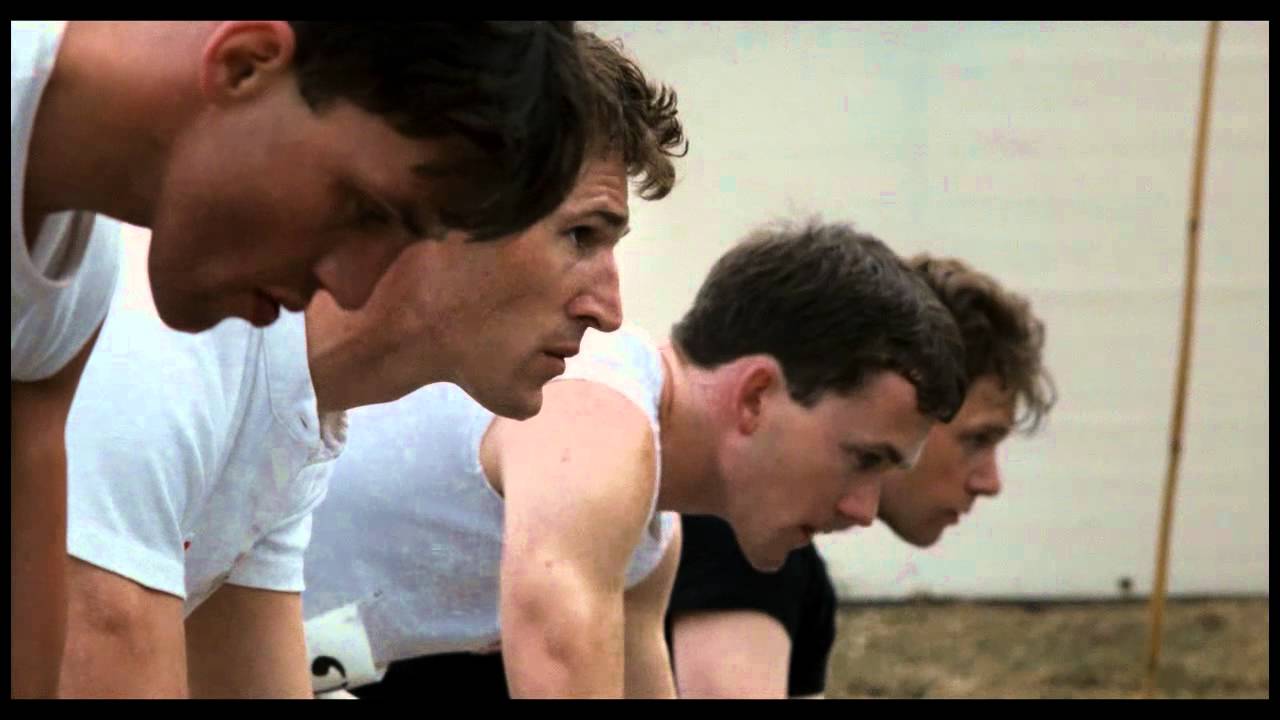
“Everyone runs in her own way, or his own way. And where does the power come from, to see the race to its end? From within.” Ian Charleson - Eric Liddell form the Movie Chariots Of Fire (click here for the music) Click here for the Chariots of Fire Trailer So the Olympics are on, and I think many readers are finding that keeping up to date with the medal tally, or the number or world records broken, is more uplifting than listening to the latest Covid figures. Beyond the diversion what can the Olympians teach us about leadership? “I can’t believe it,” her father said. “I’ve lost my voice. I cannot believe it. Wow. Unbelievable. Just quite extraordinary. She’s done it. She’s actually done it. Wow. My God. Can’t believe it. Last hundred was just, she’s just focused. Determined. Gritty. Gutsy. Race, unbelievable.” Mr Titmus on Ariarne Titmus Winning her gold medal Focus on Personal best: During the training the athlete is encouraged each time they train or compete to perform better than they had in the past, to focus on improving their "personal best". Perseverance: The 400m individual swimming medley is a challenging event, yet for bronze medallist Brendon Smith, training for this event was complex. Due to the Melbourne lockdowns he was unable to travel to Queensland to train. To keep to his schedule he either swam in the freezing ocean or “tied a rubber rope to the cubby house and.. just jumped in the pool.” “We tried to make it a little bit warmer … filling it up with hot water basically from the kitchen ,which didn’t really make much difference but it was better than nothing!” (Brendon's dad) “It did feel like the Olympics was never going to come. There was a long time there where I didn’t really know what I was aiming for. To get up in the final and do the swim I did, I’m really happy with it. I’ve gone through hell to get here, having to swim in the ocean for two months in Melbourne when it was getting to 12 degrees. I’m really happy with how I built that final hundred and got to the wall.” Brendon Smith Self-reliance: The Austrian female cyclist Anna Kiesenhofer, rode a solo race, something uncommon in road cycling, where team tactics and pelotons usually influence the outcome. Time will tell and people will speculate whether her race was strategic, opportunistic, or circumstantial. Interestingly, she has not been part of a cycling team since she left Lotto Soudal in 2017, and nor did she rely much on her national federation in the lead up to the Olympic Games. "I manage everything on my own,". Anna Kiesenhofer. Whilst I do not advocate that leader should eschew help or support, there are always times when the buck stops with the leader to make independent strategic decisions and take action. Avoid complacency: “Annemiek van Vleuten celebrates road race win at Tokyo Olympics, but Anna Kiesenhofer actually won” ABC news headlines. What was most interesting about the end of the women’s cycling road race was that that no one in the Dutch team could fathom that they hadn’t won gold. Whilst disruptors are common in business, it is incumbent on every leader to keep a close eye on the competition to ensure that they are really in the lead. The financial and reputational consequences of coming second in business may be more far reaching than the difference between an Olympic gold or silver medal Dependence on technology : Our over reliance on technology especially radios, may have been one of the issues that impacted the tactics of the Netherlands cycling team. Whilst advances in technology benefit organisations on a daily basis, there are many aspects of effective leadership that require ‘old fashioned’ techniques and reliance on our own human abilities. “Good old Amateur racing, count them out - count them in AND if you can’t see the comm’s car there’s someone still out there! #justsayin ” Nick Esser Success makes the news : There is a tendency to evaluate leaders and athletes on the basis of their behaviour at one moment in time. Yet in business and politics leaders are often judged by their failures not their successes. Whilst the celebrations that marked Ariarne Titmus’s win in the women’s 400m freestyle, were perhaps more exuberant than what would befit a corporate environment, regular readers would know the benefits of savouring and creating positive moments at work. (click here for my blog on savouring moments, and here for my blog on elevating moments). What about The Dark Side of the Olympics? “Imagine dedicating 5 years of your life and striving for another start at the most important sporting event … giving up your private life and work, sacrificing your family etc. All that dedication resulted in a “total flop,” because of the incompetence of third parties.” Alicja Tchorz Polish Swimmer In my opinion the dark clouds that hover around the Olympics serve to remind leaders of what not to do: Core values should always define behaviour: There is always a level of controversy surrounding an Olympic games and this year is no different. Perhaps the Olympics can serve as a prompt to all leaders of the temptation to stray away from core values when blinded lure of fame and promise of financial success. (click here for my blog on Values and wellbeing and here for my blog on values clashing at work) Prevalence of legal and illegal drug use: Jamie Kermond’s infamous departure from the Olympics before the opening ceremony, is a reminder that high functioning individuals may be abusing legal and illicit drugs. Unfortunately, the pressures associated with Covid and lockdowns have led to an increase in alcohol usage. A survey of over 4000 Australians last year found that factors like drinking pre‐pandemic, middle age, and average or higher income, and proximal factors, including job loss, eating more, changes to sleep as well as stress and depression, were all associated with increased drinking in the COVID‐19 pandemic environment. Harassment still exists: Sadly, some sports have a history of serious allegations of inappropriate behaviour and harassment that warrant further investigation and action. One needs to look no further than the news headlines ot see that unfortunately harassment still exists in the workplace. Seek expert advice: The misunderstanding of FINA qualifying standards on the part of the Polish Swimming Federation, is a salient reminder of the large negative impact of human errors. Perhaps one of the most important leadership lessons from the Olympics is that good leadership requires vigilance not complacency. Click here to watch Dean Boxall celebrating Ariarne Titmus' Women's 400m Freestyle win Final Thoughts: Remote work should not preclude light-hearted workplace Olympic activities, remember good leaders make time for joy and frivolity. On many levels the Olympics are an excellent leisure activity, however watching sport isn’t actually exercise. (click here for my blog on exercise) For those who like a good movie and aren't all that excited by the Olympics, Chariots of Fire is inspirational. Finally, thank you to my husband for his infectious enthusiasm for sport that inspired this blog. References : more available on request https://www.news.com.au/sport/olympics/australian-olympian-jamie-kermond-returns-positive-result-for-cocaine/news-story/12dc88e27c1e85aa5a52669f7ca793a3 https://www.3aw.com.au/brendon-smiths-very-unusual-training-program-in-the-lead-up-the-tokyo-olympics/ https://www.foxsports.com.au/tokyo-olympics-2021/tokyo-olympics-2021-ariarne-titmus-beats-katie-ledecky-gold-medal-australia-coach-reaction-swimming-results-medal-tally-tv-schedule/news-story/ae85220a1cfbf6cf51bcdfefbaa8701d https://www.moviequotes.com/s-movie/chariots-of-fire/ https://www.theguardian.com/sport/2021/may/05/petri-dish-for-abuse-gymnastics-faces-a-reckoning-in-australia https://www.ncbi.nlm.nih.gov/pmc/articles/PMC7436134/ https://www.abc.net.au/news/2021-07-25/tokyo-olympics-womens-road-race-winner-van-vleuten-kiesenhofer/100322340 https://twitter.com/Nick_9_9_5/status/1419268299993620481 https://www.abc.net.au/news/2021-07-26/what-country-is-roc-tokyo-olympics-russia-doping/100323416 https://www.thecut.com/2021/07/2021-olympics-controversy-makes-the-games-hard-to-watch.html
- My Staff Seem To Need Me More Than Ever, How Am I Going To Get My Work Done?
“Catch my breath, no one can hold me back, I ain't got time for that” Catching my Breath by Kelly Clarkson (click here for the Song) Photo by Robert Bye on Unsplash “They know I have a good ear, so they talk to me, I know I need to listen because the lockdown has made things more stressful... but my workload has increased, and I don’t know when I am going to get my work done”. Corporate client Many of my clients and readers, this week have told me that they are feeling increased levels of general angst and overwhelm. In particular, they are most worried about meeting increasing work demands, and attending to the psychological needs of both themselves and their staff. Whilst there is never a magic formula, in my experience the following practical tips can be helpful: Define your work and personal priorities and values . Take the time to define what really matters, in the short medium and long term. Specify the scope of your responsibility as a leader. As a leader you are responsible for the wellbeing of your employees remember you are not their psychologist, lawyer, financial planner, friend, or parent. Thus your expertise lies in listening, triage and if appropriate a referral. Prepare in advance some polite ways to end a conversation: Sometimes you just have to cut a conversation short as you have other priorities, or it is not appropriate to continue the discussion. The key is to prepare in a few phrases in advance so, when required, you can clearly communicate with empathy and manners that the conversation is over. (Click here for tips – please note whilst its not my normal peer reviewed journal, it's food for thought.) Manage expectations and set realistic deadlines for all work with all stakeholders: Regular readers would know that in times of uncertainty, often there is an unrealistic pressure to respond to every request immediately. When appropriate advocate for yourself and your team and negotiate longer deadlines. Prioritise both work and wellbeing: Work: Every day define the urgent and important tasks and the non-urgent important tasks, so that you are focused on what needs to be done. Personal wellbeing : Write down your daily and weekly wellbeing not negotiables, and keep yourself accountable. Click here for my refreshed Weekly Prioritisation, Wellbeing and Values Worksheet Schedule do not disturb time during business hours to do your work and focus on your wellbeing : Block off 'meeting' time in the diary for particular work and wellbeing activities. Then as with any other "appointment" turn off emails, the phone and all irrelevant distractions. Tell your team, why and for how long you will be unavailable and the circumstances under which you can be disturbed. Remind yourself that things will be perfectly ok if you are unavailable for a specified amount of time. Photo by Brett Jordan on Unsplash (click here for my blog on the benefits of slowing down to speed up) Final Thoughts: This morning, after my spontaneous but invigorating dip in Sydney harbour, I was reminded for the importance of occasionally throwing the plan in the bin for a moment and doing something outrageous. So email me and tell me what outrageous thing have you done/or plan to do this week?? References : available on request
- Can Your Leadership Style Reduce The Likelihood Of Burnout?
‘No time to wallow in the mire’ Come on Baby Light My Fire by The Doors. (click here for the Song) (I challenge you to just sit and listen to the instrumental) Personal picture of a coaster. “My boss just gave a day’s notice and resigned. I knew she was burnt out, I noticed the signs a while ago, and had tried to tell her to get help..” . Corporate client Regular readers would be aware that burnout impacts a large percentage of the working population, a figure that is on the rise in the last 18 months. Yet there is a still lack of early intervention and prevention and a pervasive national culture of overworking. A global study analysing how white-collar workers managed working from home has revealed nearly four in five Australians suffered from burnout. What is concerning is that the average worker’s overtime increased from 236 hours to 436 hours in 2020, but they nonetheless missed one in four deadlines. “In 2020, work about work has increased, creating chaos, confusion and rising levels of burnout [and] this misalignment has made it difficult for everyone to do their best work.” Adam Chicktong What are some the consequences prolonged chronic stress and burnout if left unchecked? Loss of overall vitality Excessive fatigue Insomnia High blood pressure Vulnerability to illness Mood disorder Increased mistakes Decreased productivity Financial losses, Accidents, Absenteeism “I thought the hands of time would change me and I’d be over this by now I’m counting down till Friday comes” Friday (feat Mustafa and Hypeman)(click here for the Song) So what is burnout? According to the World Health Organisation “Burnout is a syndrome conceptualised as resulting from chronic workplace stress that has not been successfully managed”. Personally I do not find this definition very helpful for many reasons. The complexity of defining burnout lies in the fact that it is cyclical in nature and in a way negatively self-perpetuating. A person experiences prolonged stress, this leads to difficulty dealing with problems at work, leads to increase in burnout symptoms, leads to more difficult coping, leads to more stress. Thus the more a person becomes entrenched in burnout the harder it is to get out if it. In addition, the tendency to equate work with self-worth and thus any damage to that self-worth which may come from experiencing burnout is a cause of stress and burnout. What are the signs and symptoms of burnout? "it represents an erosion in values, dignity sprit and will- an erosion of the human soul” Christina Maslach There is a myth that burnout is easy to detect, however due to its insidious nature, it is difficult to spot. Burnout sneaks up over time, and it is not until it is significantly impacting functioning that the signs become clearly apparent. In addition, there is a high level of individual differences in its manifestation. Early researchers identified the following components of burnout: Exhaustion: Immense emotional physical and or cognitive fatigue. Not feeling replenished from sleep or a holiday or ever. Feeling emotionally drained from work. Cynicism : Low levels of job engagement, especially in a person who was highly engaged. Lack of general patience, loss of interest in the job, the mission of the company, overly critical of ideas. Inefficacy: Lack of productivity and feelings of incompetence. Whilst contemporary researchers agree that exhaustion and a compromised work performance are strong indicators of burnout, they broadened the definition to include: Loss of empathy : This may manifest in the loss of the ability to care for people Impaired cognition . People report that they tend to scan, rather than read, that they can’t take in material, that their memory is compromised. To further complicate things there are other pointers. Most people report pretty dreadful sleep and some depressive symptoms, although researchers argue depression is not the same as burnout. While those with burnout are likely to experience depressive symptoms, their presence is not of necessity indicative of clinical depression. In addition they may also develop anxiety and at times they will experience significant physical problems. Of concern, also is the common prevalence of social withdrawal. “We have diffused it into a broader construct that (what occurs) is a general lack of feeling tone, a lack of joie de vivre,” Gordon Parker. Photo by Annie Spratt on Unsplash What can be done? “Burnout can be insufferable, incredibly debilitating and horrible to experience so we should not encourage any view that it is a mild condition of necessity and that it is some sort of moral failure.” Gordon Parks Regular readers would be aware that there are primary secondary and tertiary responses to a complex issue like burnout. Both secondary and tertiary prevention focus on fixing people. Secondary prevention tries to help people manage or cope with worksite stressors, with the goal of reducing the prevalence of job stress (or burnout), and tertiary prevention treats people who are already suffering from exposure to worksite stressors, with the goal of reducing the residual deficits following stress or burnout. As an Organisational psychologist, my expertise and preference lie in the primary prevention space. Interventions that look at eliminating or modifying worksite stressors, with the goal of reducing the likelihood of new cases of burnout. “There is a myth that burnout is just exhaustion from overwork, in other words it is due to poor coping strategies by the individual” Jacinta Jimenez So how do we minimise the likelihood of burnout occurring? Researchers have found that the following aspects of work create a foundation of employee engagement and wellbeing: a sustainable workload; choice and control; recognition and reward; a supportive work community; fairness, respect, and social justice; and clear values and meaningful work. Other researchers have found that the “fit” between the person and the job is best understood in terms of the satisfaction of the following core psychological needs: autonomy belongingness, competence, psychosocial safety, positive emotions, fairness, and meaning. The challenge for leaders is to analyse and then design and modify work in ways that will support the satisfaction of these needs through the performance of the job. The following questions may serve as useful prompts. Does the job stimulate feelings of competence and mastery? What promotes a sense of belonging to the organisation? Are there opportunities for experiencing positive feelings and meaningful pride in one’s work? What about the leader? Researchers have found that leaders’ motivational approach is a significant contributor to provoking employee burnout. Specifically, when leaders prioritise personal effort, learning, and experimentation, stressing that trying hard and individual improvement are valued, and that experiencing failure is part of the learning process, minimise the likelihood of burnout. By offering time off to participate in developmental activities, and advising employees to implement newly learned skills on the job, and encouraging experimentation, provides employees with resources in dealing with setbacks. When the leader encourages their staff to perceive failure as useful information that can help them to achieve their work goal, they will build resources. In contrast if failure is perceived as a stressful situation, coping resources are depleted. As Organisations emphasise self‐improvement rather than self‐enhancement, amongst their leadership team and accept errors as part of the learning process then a psychologically safe work environment will begin to emerge. Final thoughts: Despite my bias towards preventative approaches to burnout, there is a place for both secondary and tertiary approaches. Workplace stressors can not be always be avoided and they take time to modify and thus employees need to learn and access coping strategies. In addition, leaders should always keep an eye out for signs of burnout in themselves, their teams and their colleagues and seek professional support. (If you need any tips, Click here and here for my blogs on having RU OK conversations) While researching this blog I decided it was essential to listen to the songs in full, just to make sure the language was appropriate. Unsurprisingly, I got captivated by the beat and found myself dancing around my home office. While music is not a silver bullet, regular readers are aware of its impact on mood. (click here for my blog on Music and mood) So take a moment, turn up the volume and dance to your favourite song. Thank you Dave, Matt and Liam at FIT1 ( www.fit1.com.au ) for keeping me fit and shifting my music playlist out of the 1980’s to 2021. References : Maslach, C. (2017). Finding solutions to the problem of burnout. Consulting Psychology Journal: Practice and Research , 69(2), pp.143–152. Dr. Jacinta Jimenez: Buffering Against Burnout . Institute of Coaching webinar series. https://www.youtube.com/watch?v=S_-ywX7_qrU Tavella, G., Hadzi-Pavlovic, D. and Parker, G. (2021). Burnout: Redefining its key symptoms. Psychiatry Research , p.114023. https://www.anesthesiallc.com/images/eAlertsSource/Finding-solutions-to-burnout-Maslach-CPJ-2017-3.pdf https://deming.org/quotes/10091/ https://womensagenda.com.au/latest/four-in-five-australians-faced-burnout-in-2020/ https://thenewdaily.com.au/finance/work/2021/01/15/working-from-home-burnout/ Sijbom, R.B.L., Lang, J.W.B. and Anseel, F. (2018). Leaders’ achievement goals predict employee burnout above and beyond employees’ own achievement goals. Journal of Personality , 87(3), pp.702–714. https://www.theaustralian.com.au/business/the-deal-magazine/new-australian-research-reveals-personality-a-key-factor-in-burnout/news-story/0accc2b7fd4d9afad599279746c24ec0
- It's Business As Usual For Balkin Coaching, How Are Things For You?
"mamma mia, here I go again" Mamma Mia by ABBA (click here for the Song) Personal picture of Nala relaxing after a walk. Irrespective of your circumstances, it is important to not underestimate the potential impact of the current Sydney lockdown on your wellbeing and that of your team. Regular readers would be aware that last year I wrote extensively about remote work, wellbeing and enhancing leadership capability. Here are some past blogs that may be relevant: Don’t talk about feelings… you will feel worse… or better??? https://www.balkincoaching.com.au/post/don-t-talk-about-feelings-you-will-feel-worse-or-better Can A Leisurely Aimless Stroll Enhance My Leadership And Wellbeing? https://www.balkincoaching.com.au/post/can-a-leisurely-aimless-stroll-enhance-my-leadership-and-wellbeing Can Reconnecting With Nature Help Our Wellbeing And Emotional Regulation At Work? https://www.balkincoaching.com.au/post/can-reconnecting-with-nature-help-our-wellbeing-and-emotional-regulation-at-work Is there a fun way to reduce workplace loneliness https://www.balkincoaching.com.au/post/is-there-a-fun-way-to-reduce-workplace-loneliness Is It Naive To Look For A Silver Lining In Times Of Upheaval? https://www.balkincoaching.com.au/post/is-it-naive-to-look-for-a-silver-lining-in-times-of-upheaval Can Purpose Help Us Manage Uncertainty? https://www.balkincoaching.com.au/post/can-purpose-help-us-manage-uncertainty How Do We Find And Give Support As The Workplace Remains Disrupted? https://www.balkincoaching.com.au/blog-1/search/support What Is Really Going On Behind Closed Doors, Can You Manage Incivility In Remote Working? https://www.balkincoaching.com.au/post/what-is-really-going-on-behind-closed-doors-can-you-manage-incivility-in-remote-working It's Time For The Serious Conversations: Are You Really Ok? https://www.balkincoaching.com.au/post/it-s-time-for-the-serious-conversations-are-you-really-ok Can’t I Just Hibernate? Are Authentic Relationships That Important For My Wellbeing? https://www.balkincoaching.com.au/post/can-t-i-just-hibernate-are-authentic-relationships-that-important-for-my-wellbeing How Do I Gain A Sense Of Control For Myself And My Team? https://www.balkincoaching.com.au/post/how-do-i-gain-a-sense-of-control-for-myself-and-my-team Take a moment and scroll through the blog page of my website, (click here ) have a scroll, and let me know what past blogs were useful wellbeing reminders ___________ Click here for a video of Nala walking with a friend.
- Is It Ever Ok To Give Unsolicited Advice?
"It’s the good advice that you just didn’t take" Ironic by Alanis Morissette ( click here for the song) Photo by Jonathan Cooper on Unsplash Earlier this week a client began a session a bit exasperated he said to me “My colleague keeps telling me how to do my job, I know she is well meaning but ‘she drives me crazy’… I am really worried I will explode feel and blurt out ‘Just Don’t tell me what to say and don’t tell me what to do’” . ( I don’t think she intentionally quoted lines from two songs in my blog playlist She Drives me Crazy by Fine Young Cannibals, and You Don’t Own Me by Lesley Gore) When people give unsolicited advice they presume, that their authority will be accepted by the advisee. However, researchers have found that typically people don’t follow unsolicited advice. In other words, most adults would rather make a mistake and suffer the consequence than comply like a dutiful child in response to advice, even if the advice would actually lead to a better result. Why do people do it? Researchers have found that in the workplace, sometimes advice giving is a politically motivated and subtle pathway to power. Individuals who desire power want to see that they can control the behaviours and experiences of others, thus giving advice is as a subtle route to this sense of power. This sense of power emerges regardless of whether the advisee considers the adviser to have superior knowledge, and regardless of the psychological roots of the desire for power. Researchers have also found that power leads individuals to experience an inflated perception of control, and overconfidence in their abilities and thus may tend to assume, (incorrectly) that people will definitely follow their unsolicited advice. When a person becomes aware that his or her advice was not followed, they have a feeling of rejection and ineffective influence. Unfortunately, this does not necessarily deter people from continuing to give unsolicited advice, in fact the drive to feel powerful may blind them to the negative or ineffective impact of their behaviour. Not surprisingly, and quite ironically, researchers found that those who seek to secure power by providing unsolicited advice are are less inclined to take advice from others and as a result may make less accurate decisions. Another reason for unsolicited advice is that some people greatly overestimate their ability, and may in such a hurry to tell you what to do that they might not even listen completely to your situation. Low self-esteem may be a cause of delivering unsolicited advice, researchers have found that individuals protect themselves against feelings of inferiority and shame by externalising the blame for their failures or telling others what to do. Remember unsolicited advice does not always come from a bad place, sometimes there is a positive motivation. For example, the advice giver may be so excited about the solution they have discovered that they can’t wait to tell you what to do. Alternatively, the advice giver is a kind person and does not want you to make the same mistakes they did. Giving advice may be a person’s way of forging a connection, establishing a stronger interpersonal relationship. The advice giver may genuinely misunderstand their role in the interaction, you may want to vent about an issue to simply “get it off your chest” and not desire any resolution. Finally, they may wish to motivate you to take action rather than to continually complain. Do not forget that giving advice involves a recommendation to another individual about how to handle a situation and has the potential for the advisor to meaningfully impact the behaviour of the recipient . How does the recipient feel? Patronised Micromanaged Frustrated Controlled Resentful Further erodes low self esteem Judged Resentful Guilty Angry What can you do when someone provides unsolicited advice? Be aware of your emotional reaction and take a pause if required before responding. (click here Reconsider all the positive and negative reasons as to why someone may have a natural tendency to provide advice. Remind yourself that it can be an act of kindness to listen to the advice of others Do not take the advice personally Reflect on what you can learn from the interaction Consider the nature of your relationship with the person Decide if you will reflect on the advice or simply decline the advice Formulate and deliver a succinct politely assertive response Is unsolicited advice ever OK ? There are a occasions where it may be warranted to give unsolicited advice. Nevertheless before you say anything it is wise to take a moment, pause and ask yourself the following question: “Is my urge to give advice about me, or the situation?” If you are uncertain as to the answer then discuss the situation with a respected and trusted colleague, or friend. What should leaders do? Increase their self awareness in this area. When tempted to provide advice consider if the advice is warranted or if an exploratory conversation would be more beneficial. To combat the potential social costs around giving and taking advice, organisations need to create cultures in which organisational members are encouraged to share information and leaders are rewarded for seeking and integrating the perspectives of others. So what did my client do? At the end of the coaching session my client realised that his colleague was in fact very smart and kind, her advice was because she was quick to see solutions in a very stressful and complex environment. “I think I need to politely explain to her that her brain works faster than ours, and it’s a bit overwhelming… In hindsight listening and discussing her advice could in fact be mutually beneficial.” It would be remiss if me to not ask the obvious, send me an email and tell me "Do you consider my blogs to be unsolicited advice.. ?" 😜 ----------------------------------- References: Schaerer, M., Tost, L.P., Huang, L., Gino, F. and Larrick, R. (2018). Advice Giving: A Subtle Pathway to Power. Personality and Social Psychology Bulletin , 44(5), pp.746–761. Donnellan, M.B., Trzesniewski, K.H., Robins, R.W., Moffitt, T.E. and Caspi, A. (2005). Low Self-Esteem Is Related to Aggression, Antisocial Behavior, and Delinquency. Psychological Science , 16(4), pp.328–335. See, K.E., Morrison, E.W., Rothman, N.B. and Soll, J.B. (2011). The detrimental effects of power on confidence, advice taking, and accuracy. Organizational Behavior and Human Decision Processes , 116(2), pp.272–285. Tost, L. P., F. Gino, and R. Larrick. "Power, Competitiveness, and Advice Taking: Why the Powerful Don't Listen." Organizational Behavior and Human Decision Processes 117, no. 1 (2012): 53–65. McIntosh, R.D., Fowler, E.A., Lyu, T. and Della Sala, S. (2019). Wise up: Clarifying the role of metacognition in the Dunning-Kruger effect. Journal of Experimental Psychology: General , 148(11), pp.1882–1897. https://thriveglobal.com/stories/why-people-offer-unsolicited-advice-and-how-to-positively-deal-with-them/ https://www.verywellmind.com/whats-behind-different-types-of-unsolicited-advice-3144961 https://www.verywellmind.com/handle-unwanted-advice-with-minimal-stress-3144966 https://www.psychologytoday.com/au/blog/insight-is-2020/201712/why-people-give-unsolicited-advice-though-no-one-listens https://repository.upenn.edu/cgi/viewcontent.cgi?referer=&httpsredir=1&article=1016&context=wpel https://psychcentral.com/blog/imperfect/2020/02/its-time-to-stop-giving-unsolicited-advice https://qz.com/1283861/psychologists-have-identified-a-very-good-reason-why-unsolicited-advice-is-so-annoying/
- Does The Weather Impact Our Mood?
"Be still, sad heart! and cease repining; Behind the clouds is the sun still shining; Thy fate is the common fate of all, Into each life some rain must fall, Some days must be dark and dreary" The Rainy Day, by Henry Wadsworth Longfellow Photo by guy stevens on Unsplash "Ain't no sunshine when she's gone’ Only darkness every day ‘Ain't no sunshine when she's gone" Ain’t no sunshine when she’s gone by Bill Withers ( click here for the song) Once again it’s very cold, dark, and wet in Sydney and so I decided to research the relationship between weather, mood and behaviour. The unscientific view from authors, poet’s, and songwriters suggests a strong link. Anyone who has read The Drifters , by James Mitchener would recall the character Britta who was desperate to to escape the “tunnel of darkness” that stays for months in Norway during the winter. What he is alluding to is seasonal affective disorder or wintertime depression, that occurs in highly seasonal places distant from the equator where day length in winter is very short and triggers severe depression in vulnerable individuals. Researchers believe that it may be caused by changes to the body’s circadian rhythms, due to less sunlight and our brains complex responses to day length. It may also happen because in winter the body produces less of the hormones melatonin and serotonin, which affect sleep and mood. In addition, researchers have found that being confined at home due to extreme cold may interfere with regular routine activities and thereby lowers mood. Does everyone enjoy the heat? "Sunshine on a rainy day (sunshine) Makes my soul, makes my soul Trip, Trip, Trip away" Sunshine on a Rainy Day by Zoe, also sung by Christine Anu ( click here for the songs) Interestingly for some people extreme summer heat and humidity is demotivating and can increase anxiety, and lower mood. Recent research found that high levels of humidity made it hard to concentrate, increasing fatigue and sleepiness. There are many people who prefer milder temperatures and express greater feelings of optimism and joy when the temperature is lower. Could you then conclude that sunshine brings joy? "You are the sunshine of my life” You are the sunshine of my life by Stevie Wonder ( click here for the song) Researchers have found that that warm temperatures and exposure to sunshine have the greatest positive impact on moods. In fact, warmer temperatures lowered anxiety and skepticism while more hours of sunshine increased optimism. However, the temperature shift may not be the main reason for feelings of seasonal depression. When the sun is shining, we spend more time outdoors and are more physically active whether this involves sports activities, exercise, or outdoor hobbies. In addition, people may have a tendency to be more inspired to socialise when the weather is dry because it’s easier. Exposure to sunlight provides vitamin D impacts serotonin regulation, which is the brain chemical responsible for regulating mood and sleep cycle. A large longitudinal study found that increases in actual time in the sun as the season changed from winter to spring and then summer were associated with decreases in emotional distress. What about individual differences? “I'm singin' in the rain, just singin' in the rain What a glorious feeling I'm happy again I'm laughing at clouds so dark above The sun's in my heart and I'm ready for love” I'm Singing in the Rain by Gene Kelly ( click here for the song) Regular readers would know that the psychology literature rarely has a clear-cut answer. It would be simple if rain and clouds meant gloom, and sunshine meant joy. However, there is surprisingly little evidence that climate has any reliable impact on mood or mental health. In fact some researchers suggest we pay a disproportionate amount of attention to a very small number of people who really do have what has become known as Seasonal Affective Disorder (SAD). What researchers have found is large individual differences in how people’s moods were affected by weather. There are perhaps the following four subtypes: Summer Lovers: better mood with warmer and sunnier weather, Unaffected: weak associations between weather and mood, Summer Haters: worse mood with warmer and sunnier weather, Rain Haters: particularly bad mood on rainy days. Thus, the discrepancy between the generally held beliefs that weather has a substantive effect on mood and findings from previous research indicating that effects of weather on mood are limited or absent may be because typically people are self-aware and adaptable. When possible, people either choose where they live based on climate and or are good at adapting to the particular conditions in which they find themselves. Earlier this week client reminded me of one of her wellbeing not negotiables. ‘When the alarm when off for gym a few days ago and it was cold dark and wet I was tempted to hit snooze and just skip my boxing class. Then I remembered all the critical meetings of the day ahead and imagined the pleasure of hitting the boxing bag rather than blowing my top in frustration with my colleagues. I knew that one was not a substitute for the other. However, as I quietly got up and got ready, a smile began to form on my face as I thought of the endorphins, the camaraderie, and even the music that would accompany my morning exercise’. So send me an email and tell me how your self-awareness minimises the impact the weather has on your moods. References: https://interestingliterature.com/2018/03/a-short-analysis-of-henry-wadsworth-longfellows-the-rainy-day/ Menon, V., Kar, S., Suthar, N. and Nebhinani, N. (2020). Vitamin D and depression: A critical appraisal of the evidence and future directions. Indian Journal of Psychological Medicine , 42(1), p.11. Beecher, M.E., Eggett, D., Erekson, D., Rees, L.B., Bingham, J., Klundt, J., Bailey, R.J., Ripplinger, C., Kirchhoefer, J., Gibson, R., Griner, D., Cox, J.C. and Boardman, R.D. (2016). Sunshine on my shoulders: Weather, pollution, and emotional distress. Journal of Affective Disorders , [online] 205, pp.234–238. Available at: https://www.sciencedirect.com/science/article/abs/pii/S0165032716306553 [Accessed 6 Dec. 2019]. Howarth, E. and Hoffman, M.S. (1984). A multidimensional approach to the relationship between mood and weather. British Journal of Psychology , 75(1), pp.15–23 Klimstra, T.A., Frijns, T., Keijsers, L., Denissen, J.J.A., Raaijmakers, Q.A.W., van Aken, M.A.G., Koot, H.M., van Lier, P.A.C. and Meeus, W.H.J. (2011). Come rain or come shine: Individual differences in how weather affects mood. Emotion , 11(6), pp.1495–1499. https://www.infoplease.com/math-science/weather/the-weather-and-your-mood https://www.psychologytoday.com/au/blog/the-human-beast/202004/why-weather-affects-mood https://www.webmd.com/balance/features/can-rainy-days-really-get-you-down https://www.spring.org.uk/2008/11/weather-has-little-effect-on-mood.php https://www.healthdirect.gov.au/seasonal-affective-disorder